Project: In-Building Solution – Dumfries & Galloway Royal Infirmary Hospital
Project: In-Building Solution – Dumfries & Galloway Royal Infirmary Hospital
Project
Working on behalf of Crown House Technologies, we were commissioned to provide a complete indoor and outdoor cellular solution within the newly built Dumfries & Galloway Royal Infirmary Hospital facility. Our solution had to be capable of supporting all four of the UK’s mobile network operators (MNOs), across all five of the European cellular frequency bands – and allow a combination of any radio access technology (RAT).
Solution
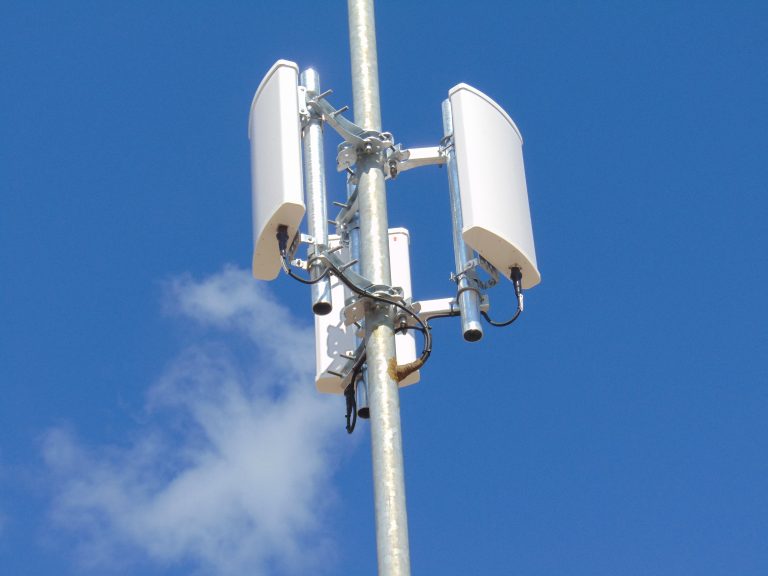
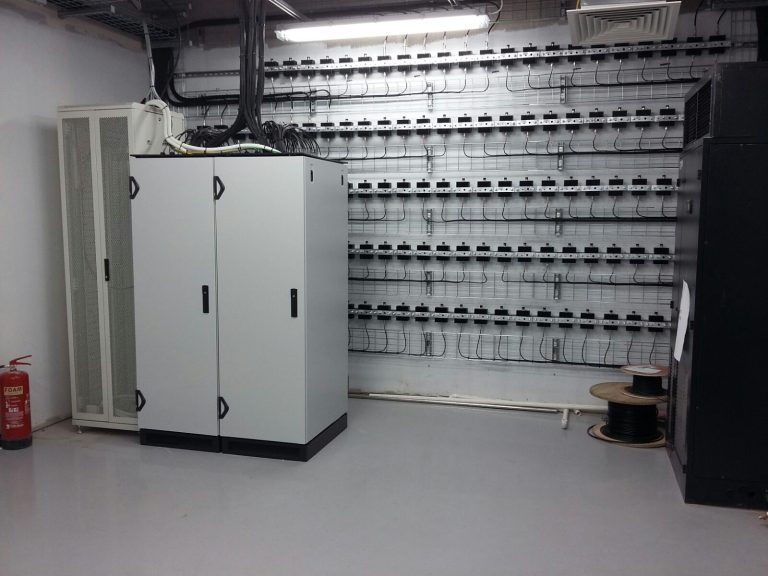
In accordance with the Joint Operators Technical Specification (JOTS) Guidelines we designed, validated, deployed and commissioned an analogue radio frequency over fibre (RFoF) active distributed antenna system (A-DAS). This type of solution is capable of supporting all MNOs across, but not limited to; LTE800, GSM900, UMTS900, GSM1800, LTE1800, UMTS2100, LTE2100 and LTE2600 RATs.
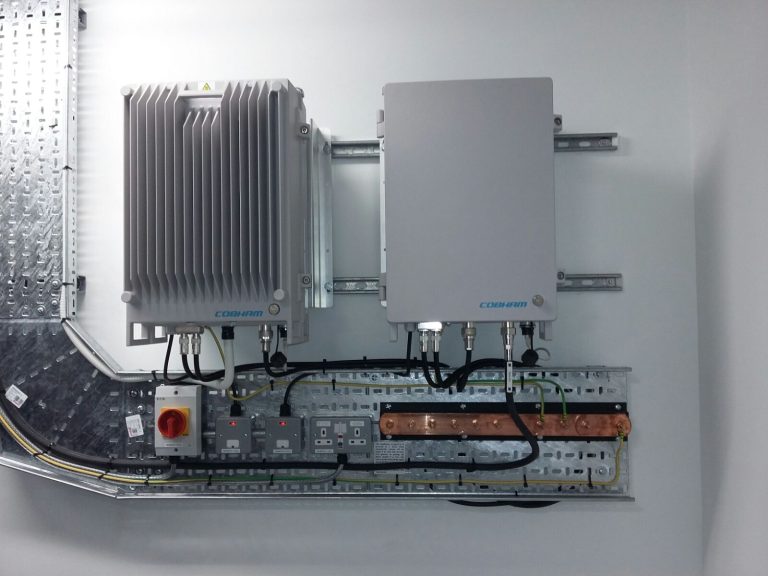
We chose to use Cobham Wireless’ analogue RFoF solution due to its compact and powerful performance. As a market leading technology company, Cobham Wireless have a proven track record of providing bespoke multi-vendor, multi-technology solutions to a vast array of venues across the globe. This made them a perfect choice for ensuring our solution met and guaranteed performance for years to come.
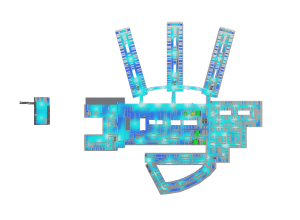
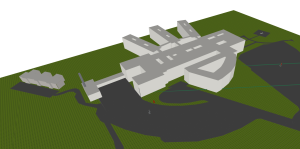
We began by assessing existing macro coverage levels present within the hospital and surrounding grounds. This was followed with a detailed site survey which enabled our design team to study the layout and architecture of the building. Data collected was then used to create a 3D scaled model of the building within iBwave Design Enterprise. This model allowed our team to simulate and predict how cellular coverage would behave within the medical facility – thus ensuring sufficient dominance over existing coverage and enabling a high level of uncompromised data throughout.
Once complete, the entire solution was then commissioned and tested in-line with the system design parameters, budget performance and design test criteria outlined within the JOTS guidelines. To validate the overall solution a thorough “walk test” was undertaken by our optimisation team – under simulated and controlled conditions. The data collected during this exercise was then processed, analysed and compared against the design propagation plans to verify and validate the solution.
Finally, a detailed handover pack was produced and submitted to the end client. This pack covered details such as cabling routes, equipment location floorplans, cable test results, installation photographs, product serial numbers and validation results.
Including the construction phase of the hospital – from our initial survey, to design and through to build – the project took the best part of 2 years to complete.
Benefit
The newly built hospital can now benefit from:
Improved coverage leading to better call quality and connectivity – resulting in a vastly improved grade of service (GoS)
High data throughputs leading to a faster internet and mobile application user experience
High quality video and conferencing facilities – improving training and aiding in medical research
Robust and guaranteed performance throughout the hospital for staff, patients and visitors alike.
Due to our dedicated and specialist teams of engineers we were able to apply the appropriate amount or resource throughout the various stages of the programme. This ensured that all project milestones were met. By drawing on the wealth of experience and knowledge contained with our teams we were able to bring the entire project to a successful closure on time and within budget.